
I have a deep love for children. For quite some time, I have felt that I should write about the issues children face- particularly those who do not feel safe in their own homes and are subjected to mental and physical abuse by their parents or elders. Such a frightening environment has a profoundly harmful impact on a child’s mind and personality. Research indicates that even a mild physical discipline like a slap or a smack can alter a child’s brain function and lead to long-lasting psychological and behavioral consequences.
According to WHO (World Health Organization) Globally, an estimated 1.2 billion children aged 0-18 years are subjected to corporal punishment at home each year.
It is generally believed that parents are always well-wishers of their children but this is not true for all parents, there are exceptions, indeed parenthood, is not contingent upon character or moral standing. It is a biological process, even individuals who are violent by nature, psychologically unstable, or inclined toward criminal behavior are capable of becoming parents, regardless of their fitness to raise a child.
Most child abuse is not committed by strangers. It is committed by parents and caregivers. Multiple national studies from the US to South Korea to India- research consistently shows that the majority of abuse cases, often ranging from 75% to over 85% are committed by parents or primary caregivers, not outsiders. This is not about guilt for the sake of guilt. It is about facing a hard truth so children stay safe.
Parents Responsibilities
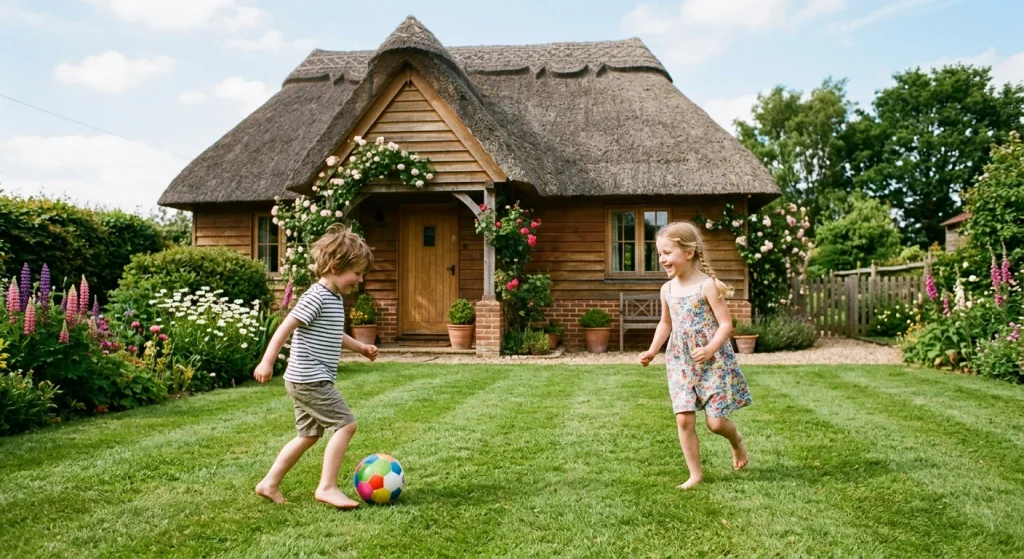
Bringing a child into this world comes with duties that are not optional. Every parent should do everything within their means to give their child the basics: food on the table, a roof overhead, and clothes for both winter and summer. When a child falls sick, they need proper medical care, not delay or excuses. They need a home that feels calm and peaceful, where they can sleep without fear and speak without worrying about how someone will react.
They need a good education, so they can stand on their own feet one day. But provision alone is not enough. A child also needs to be protected and treated with respect, because a child who is fed but frightened has still been failed. And above all, they need unconditional love: love that doesn’t have to be earned through obedience, grades, or good behavior. This doesn’t mean never correcting them. It means they always know they are loved, even when they are being corrected. A child who is loved this way grows up knowing they matter, simply because they exist.
The Devastating Consequences of Child Abuse
The wounds of childhood abuse rarely stay in childhood. What happens to a child at home does not disappear when they grow up — it follows them, often silently, into every stage of life that comes after.
On the mind: Children raised in abusive homes frequently develop anxiety, depression, and a persistent sense of fear that lingers long after the danger has passed. Many grow into adults who struggle to trust others, form healthy relationships, or even trust their own judgment. Some carry a deep-seated belief that they are unworthy of love or safety — a belief planted in childhood that can take decades to unlearn, if it is ever unlearned at all.
On the brain and body: Research shows that chronic stress from abuse physically alters a child’s developing brain, particularly areas responsible for emotional regulation, memory, and decision-making. This is not a metaphor — it is measurable biology. Children exposed to repeated fear and trauma often carry that heightened stress response into adulthood, making them more vulnerable to anxiety disorders, depression, and even physical illnesses linked to prolonged stress.
On behavior: Abuse teaches children, often without words, that violence is a normal way to resolve conflict or express frustration. Some internalize this and become withdrawn, fearful, or self-destructive. Others externalize it, becoming aggressive themselves — not because they are inherently “bad,” but because it is the only model of coping they were ever shown. This is how cycles of abuse continue from one generation to the next, unless someone consciously chooses to break them.
On relationships: Children who grow up unsafe at home often struggle later to distinguish love from control, or affection from fear. Some seek out relationships that echo the very dynamics they suffered, simply because it feels familiar. Others isolate themselves entirely, afraid that closeness will only lead to pain again.
On identity: Perhaps most quietly devastating is the impact on a child’s sense of self. A child who is constantly told — through words or actions — that they are a burden, a disappointment, or a problem to be managed, often grows into an adult who believes that about themselves long after the abuse has stopped.
None of this is inevitable, and none of it is the child’s fault. But it is real, and it is lasting — which is exactly why the responsibility to protect children cannot be treated lightly. A home should be the one place a child never has to be afraid.
Why does this happen?
Passed-down patterns: Many parents who harm their children were themselves raised with harsh discipline and never learned another way.
Stress and overwhelm: Financial pressure, marital conflict, and lack of support can push exhausted parents past their limits.
Misunderstanding discipline: Some genuinely believe hitting, humiliating, or harsh punishment is “for the child’s own good.”
Lack of parenting skills: Nobody is born knowing how to parent — without guidance, frustration can turn into harm.
Why Egoistic Parents Treat their Children like Rivals
Not every abusive parent is overwhelmed, exhausted, or repeating what they were taught. Some extremely egoistic parents, and in some cases, mentally unwell parents are simply addicted to control. To them, even their own child can start to feel like a threat.
These parents are never at peace unless they are in some kind of power struggle with someone. It’s not really about the child-it’s about a personality that needs to win to feel secure. And because a child is the nearest, most convenient target, they become the outlet for that need.
To a parent like this, a child isn’t a son or daughter to raise- they are expected to be like property, not a person. Total obedience. No pushback. No opinion of their own. And the moment that child disagrees-not rebels, just disagrees- it doesn’t register as “my child is growing up.” It registers as “my authority is being challenged.”
This is what makes it so damaging: it was never really right and wrong. It is about control. The elder child especially often stops being seen as a son or daughter and starts being seen as a rival, someone capable of standing their ground, and therefore someone who needs to be put back in their place before that becomes a habit.
This is not discipline. It is ego, wearing the mask of parenting. And the child living under it pays the same price as any other victim of abuse, fear at home a shaken sense of self, and a lesson learned far too early that love can come with conditions attached.
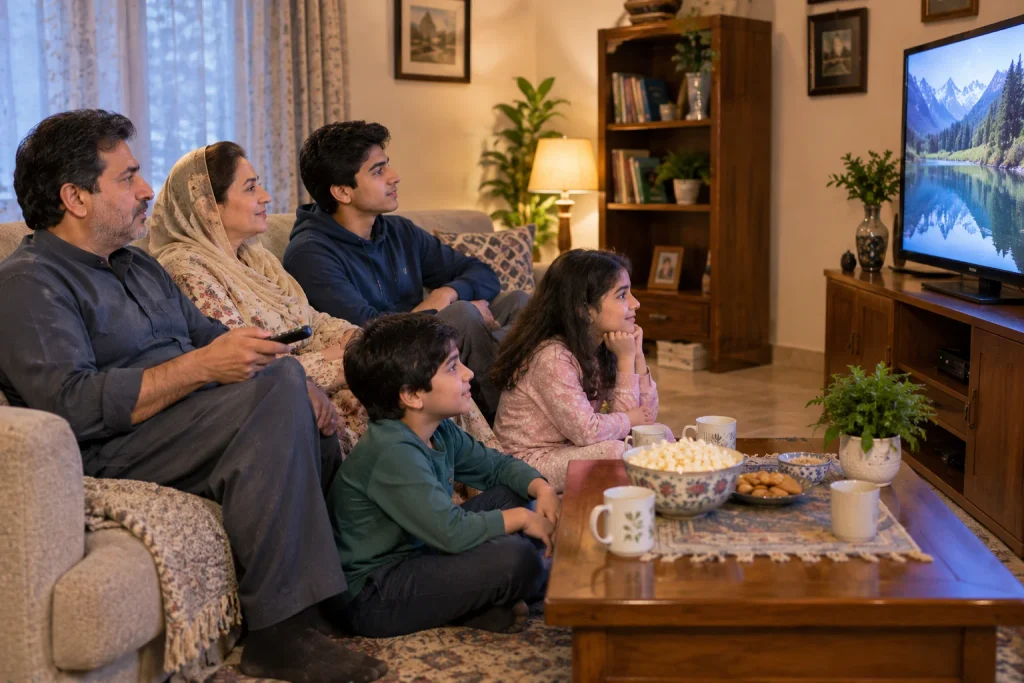
Parenting isn’t about getting everything right — it’s about showing up, again and again, with patience and presence.
Here are some grounded principles that can help
No hitting, no punishment: Never raise your hand on your child, not even a “light” slap. Avoid punishment completely: guide, don’t punish. Correct with calm words and clear boundaries, never with fear.
Controlling your temper: When your anger rises, step away. Breath, give yourself a few minutes, and come back only when you are calm. Your temper is your responsibility, never your child’s fault.
Love your Children unconditionally: Children deserve nothing but Love, that does not have to be earned through obedience, grades or good behavior
Connection before correction: Children misbehave less when they feel securely connected. Before jumping to discipline, ask: does my child feel seen and heard right now? A few minutes of real attention often prevents an hour of conflict.
Model the behavior you want to see: Kids absorb how you handle stress, disagreement, and mistakes far more than what you tell them to do. If you want calm children, they need to see you regulate your own emotions — even imperfectly.
Attack the behavior, never the child: “That was wrong” is discipline. “You are stupid” or “You are worthless” is abuse
Set clear, consistent boundaries: Structure gives children a sense of safety. Boundaries work best when they’re predictable, explained simply, and enforced calmly rather than in anger.
Validate feelings, not every behavior: “I understand you’re angry”. Children need to know their emotions are acceptable even when their actions aren’t.
Let natural consequences teach: Rescuing children from every mistake robs them of learning. When safe to do so, let them experience the results of their choices — forgotten homework, a broken toy from rough play.
Prioritize unstructured time together: Not every moment needs to be educational. Simple, unhurried time — a walk, a meal without phones — builds the trust that makes discipline easier later.
Be patient with the process: Children develop unevenly and repeat mistakes many times before habits stick. Consistency over years matters more than perfection in any single moment.
A Word for the Parent Reading This: If you recognized yourself in the section on ego and control, if disagreement from your child feels like a challenge to your authority, the first step is not punishing them harder. It is asking yourself an honest question: Am I trying to raise this child, or control him?
Your child owes you love and respect, not silence and submission. Letting them have a voice doesn’t make you a weaker parent, it makes you someone they will actually want to come home to, not someone they are just afraid to leave.