In a world that constantly urges us to acquire more—more possessions, more achievements, more commitments—minimalism offers a radical alternative: the deliberate pursuit of less. Far from being a trend confined to sparse white rooms and capsule wardrobes, minimalism is a philosophy of intentional living that touches every corner of our lives, from the objects we own to the way we spend our time and attention.
Also Read: Financial Minimalism: How to Escape Money Anxiety and Build True Freedom

What Minimalism Really Means
At its core, minimalism is not about deprivation. It’s not a competition to own the fewest items or live in the emptiest space. Instead, minimalism is about identifying what truly adds value to your life and removing the excess that doesn’t. It’s a tool—a means to an end, not an end in itself. The goal is to create space, both physical and mental, for the things that matter most: relationships, health, creativity, purpose, and peace of mind.
Minimalism looks different for everyone. For some, it means owning fewer material possessions. For others, it’s about simplifying their schedule, reducing digital clutter, or stepping back from toxic relationships and obligations. The common thread is intentionality—making conscious choices about what to keep and what to let go, rather than accumulating by default.
Why We Accumulate
To understand minimalism, it helps to understand why we accumulate in the first place. Modern consumer culture is built on the premise that happiness can be purchased. Advertisements tell us that the right product will make us more attractive, more successful, more complete. Social media amplifies this by showcasing curated lifestyles that seem to depend on material abundance.
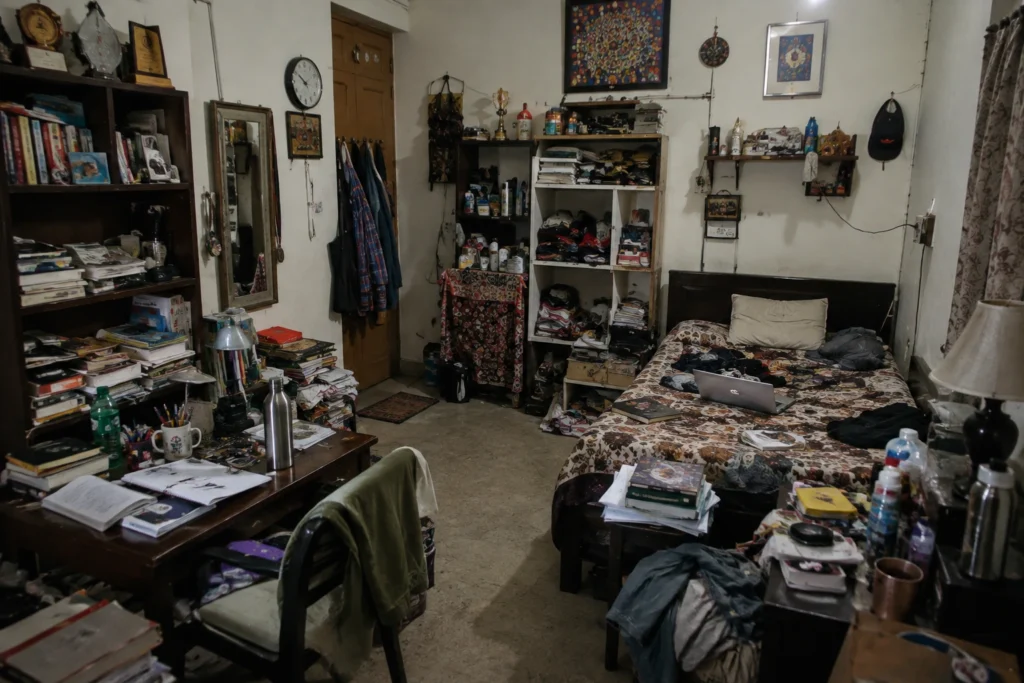
But research in psychology consistently shows that material possessions provide only fleeting satisfaction. The excitement of a new purchase fades quickly—a phenomenon psychologists call “hedonic adaptation.” We return to our baseline level of happiness, and the cycle of wanting begins again. Meanwhile, our homes fill with things we rarely use, our calendars fill with obligations we didn’t choose, and our minds fill with noise we didn’t invite.
The Physical Practice of Minimalism
For many people, minimalism begins with decluttering physical space. This process can be transformative—not because owning fewer things is inherently virtuous, but because the act of evaluating our possessions forces us to confront our values and habits.

A helpful starting point is to ask, for each item, whether it serves a genuine purpose or brings real joy. Items that are broken, unused, or kept purely out of guilt or obligation are prime candidates for release. This doesn’t mean discarding everything sentimental or practical—minimalism isn’t about extremes. It’s about being honest with yourself about what actually enhances your daily life.
As physical clutter diminishes, many people report unexpected benefits: less time spent cleaning and organizing, reduced anxiety, and a greater sense of control over their environment. A tidy, intentional space can also foster clearer thinking, since our surroundings often mirror—and influence—our mental state.
Beyond Possessions: Minimalism as a Mindset
While decluttering objects is often the entry point, minimalism’s deeper value lies in extending this same intentionality to other areas of life. Consider these dimensions:
Digital minimalism. Our devices bombard us with notifications, infinite scrolls, and algorithmically curated content designed to capture attention. Digital minimalism involves being selective about which apps, platforms, and digital habits earn a place in our lives, and setting boundaries around technology use to protect focus and presence.
Time and commitments. Just as our homes can become cluttered with unused items, our schedules can become cluttered with obligations that don’t align with our priorities. Minimalist time management means saying no to invitations, projects, or relationships that drain energy without providing meaningful return, and saying yes more selectively.
Mental clutter. Constant multitasking, worry, and information overload can crowd our minds the same way physical objects crowd our homes. Practices like mindfulness, journaling, and simply allowing periods of boredom or quiet can help clear mental space, making room for creativity and clarity.

The Benefits of Living Minimally
People who adopt minimalist principles often report a range of benefits that extend well beyond a tidier home:
- Reduced stress. Fewer possessions mean less to organize, clean, maintain, and worry about. A simplified environment can lower cognitive load and create a sense of calm.
- Greater financial freedom. Buying less and being more intentional about purchases naturally leads to spending less, which can accelerate savings, reduce debt, and open up options like career changes or travel.
- Increased focus on what matters. When distractions—physical or digital—are minimized, it becomes easier to devote energy to relationships, personal growth, and meaningful work.
- Environmental benefits. Consuming less reduces waste and resource use, aligning personal habits with broader sustainability goals.
- Enhanced gratitude. Owning fewer things often leads people to appreciate what they do have more deeply, rather than constantly chasing the next acquisition.
Common Misconceptions
Minimalism is sometimes misunderstood as an aesthetic—a specific look characterized by white walls, empty surfaces, and a handful of neutral-toned objects. While this aesthetic can be one expression of minimalist values, it’s not a requirement. A colorful, cozy home filled with cherished books and mementos can be just as minimalist as a stark, empty loft, provided that everything in it is there intentionally.

Another misconception is that minimalism requires extreme sacrifice—living out of a single suitcase or owning only 100 items. While some minimalists do choose these paths, they represent one end of a broad spectrum. Minimalism is not a rulebook but a framework for asking better questions about consumption and intention. It should serve your life, not become another rigid standard to measure yourself against.
Getting Started
If minimalism appeals to you, there’s no need to overhaul your entire life overnight. Small, sustainable changes tend to be more lasting than dramatic purges. Consider starting with a single drawer, closet, or room. Notice how it feels to simplify that space before moving on to the next.
Similarly, you might experiment with a digital sabbath—a day without social media or nonessential screen time—or practice saying no to one commitment that doesn’t align with your priorities. Pay attention to how these small shifts affect your mood, energy, and sense of clarity.
Minimalism is ultimately a personal journey, not a destination with a fixed endpoint. It’s an ongoing practice of checking in with yourself, questioning default habits, and making room—physically, mentally, and emotionally—for a life that feels authentic and intentional.
Conclusion
In an age of constant acquisition and endless distraction, minimalism offers a quiet but powerful counterpoint: the idea that less can, in fact, be more. By thoughtfully curating our possessions, commitments, and digital habits, we create space for what truly matters. This isn’t about deprivation or following a rigid set of rules—it’s about aligning our outer lives with our inner values, and discovering that freedom often lies not in having more, but in needing less.
Related Posts
- Digital Minimalism: Reclaiming Your Attention in a Noisy World
- Financial Minimalism: How to Escape Money Anxiety and Build True Freedom
- The Myth of Multitasking: Why Doing Less at Once Gets More Done








Pingback: The Myth of Multitasking: Why Doing Less at Once Gets More Done – the calm living
Pingback: Financial Minimalism: How to Escape Money Anxiety and Build True Freedom – the calm living
Pingback: Slow Mornings: Building a Life That Doesn’t Start in Panic – the calm living
Pingback: Digital Minimalism: Reclaiming Your Attention in a Noisy World – the calm living
Pingback: The Burden of Ownership: How Physical Possessions Silently Claim Your Energy – the calm living