
Introduction
Everyone wants to live a happy and peaceful life. However, daily responsibilities, family problems, work pressure, and worries about the future can make life stressful. Sometimes, even when everything seems fine, our own thoughts prevent us from enjoying the present moment.
The good news is that we do not always need to make big changes to improve our lives. Small habits, practiced regularly, can help us feel calmer, think more clearly, and enjoy ordinary moments.
Good habits are not only about eating healthy food, exercising, or managing time. They also include how we treat others, how we respond to difficult situations, and how we deal with our thoughts and feelings.
In this article, we will explore 15 simple habits that can help you build a happier, calmer, and more peaceful life. You do not need to practise all of them at once. Start with the habits that suit your life and develop them gradually.
Section 1: Habits for Inner Peace
1. Practice Daily Meditation

Meditation is a simple way to spend time with yourself without the usual distractions of daily life. It gives you an opportunity to observe your thoughts and feelings instead of constantly reacting to them.
Also Read: Meditation for Beginners and Committed Meditators
Find a quiet place, sit comfortably, and pay attention to your breathing. When your mind wanders, gently bring your attention back to your breath. You do not need to force your mind to become completely silent.
Start with five to ten minutes a day. As you become comfortable with the practice, you can gradually increase the time.
Regular meditation may help you manage stress, improve attention, and become more aware of your emotional reactions. The purpose is not to escape from life but to learn to meet it with greater awareness and calmness.
2. Observe Your Thoughts Without Fighting Them
Our minds produce many thoughts throughout the day. Some are useful, while others involve unnecessary worries, regrets, and fears.
A common mistake is to fight every unwanted thought or believe everything the mind tells us. This can make us even more disturbed.
Instead, practise noticing your thoughts without immediately reacting to them. For example, if you think, “Something bad will happen tomorrow,” recognise that this is a thought about the future, not a fact about what will happen.
You do not have to argue with every thought or push it away. Simply notice it and return your attention to what you are doing.
With practice, you may find that thoughts have less power to control your mood and behaviour. Remember, having a thought does not mean you must believe it or act on it.
3. Spend a Few Minutes in Silence

Our days are often filled with conversations, television, mobile phones, and other distractions. We rarely give ourselves time to sit quietly without looking for something to do.
Make a habit of spending a few minutes in silence every day. You can sit near a window, relax in your garden, or enjoy a quiet moment before going to bed.
During this time, you do not need to solve problems, plan your next task, or search for entertainment. Allow yourself to experience the moment as it is.
Silence can provide a welcome break from constant stimulation. It may also help you notice your feelings and understand what is happening in your mind.
You do not need a special place or expensive equipment. A few quiet minutes can be enough to begin this habit.
4. Accept What You Cannot Control
Many of our worries come from trying to control things that are beyond our control. We may worry about other people’s opinions, past mistakes, future events, or decisions made by others.
Although thinking about these things may feel productive, it does not always lead to a solution.
Practise separating what you can control from what you cannot. You can control your efforts, choices, and the way you respond to many situations. You cannot completely control other people’s behaviour or guarantee the outcome of every decision.
Acceptance does not mean giving up or allowing others to treat you badly. It means recognising reality before deciding what to do next.
When you stop spending unnecessary energy fighting what cannot be changed, you can use that energy to improve what is within your reach.
Section 2: Habits for Everyday Happiness
5. Appreciate Small, Ordinary Pleasures
Many people believe happiness will come when they earn more money, buy a better house, achieve a goal, or solve every problem in their lives.
There is nothing wrong with working towards meaningful goals. However, if we postpone all happiness until the future, we may overlook the good things already present in our lives.
Develop the habit of appreciating simple experiences. Enjoy a cup of tea, a pleasant conversation, a comfortable evening, or the warmth of sunlight through a window.
You can also take a moment each day to recognise something that went well. It does not have to be a major achievement.
This habit does not mean ignoring life’s difficulties. It means making room for positive experiences alongside the challenges.
Happiness often becomes easier to notice when we stop expecting every moment to be special.
6. Spend Time in Nature

Spending time outdoors can be a refreshing break from work, household responsibilities, and digital distractions.
Whenever possible, take a walk in a park, sit beneath a tree, or spend a few minutes observing the sky. Pay attention to the sounds of birds, the movement of leaves, and the changes in the weather.
You do not have to walk a long distance or visit a beautiful location. Even a short walk around your neighbourhood can provide a change of environment.
Time in nature can support relaxation and emotional well-being. It also gives you an opportunity to slow down and direct your attention towards the world around you.
Try leaving your phone in your pocket during part of your walk. Instead of checking messages, give yourself time to experience your surroundings.
7. Move Your Body Regularly
Physical activity is not only important for physical health. It can also support mood, reduce stress, and improve sleep.
You do not need to follow a demanding exercise program to begin. Walking, stretching, cycling, or doing simple exercises at home can be useful ways to introduce more movement into your day.
Choose an activity that suits your abilities and that you can enjoy regularly. If you dislike a particular form of exercise, try something different rather than forcing yourself to follow a routine you cannot maintain.
Start with a manageable amount of activity and increase it gradually.
The goal is not to achieve a perfect body or compare yourself with others. It is to care for your body and support your overall well-being.

If you have been inactive for a long time or experience unusual breathlessness, chest discomfort, or dizziness during exercise, seek medical advice before increasing the intensity.
8. Maintain a Healthy Sleep Routine
Poor sleep can make ordinary problems feel more difficult. When we are tired, we may become impatient, lose concentration, or struggle to manage our emotions.
Develop a regular sleep routine by going to bed and waking up at reasonably consistent times. Give yourself enough time to rest, and try to reduce phone use before bedtime.
A relaxing evening routine may include reading, gentle stretching, listening to soft instrumental music, or spending a few quiet minutes reflecting on your day.
Avoid turning bedtime into a period for reviewing every mistake or worrying about tomorrow. If a concern needs attention, write it down and decide when you will address it.
Good sleep will not remove every problem, but it can help you face daily challenges with greater energy and patience.
Section 3: Habits for Emotional Well-Being
9. Pause Before Reacting in Anger
Anger is a normal human emotion, but reacting immediately can sometimes create problems that last much longer than the original disagreement.
For example, a family member may say something unpleasant. You feel hurt and respond with harsh words. Soon, both people are angry, and a small disagreement becomes a serious argument.
Practise creating a small gap between feeling angry and responding. Take a slow breath, notice the emotion, and give yourself time to think.
You may still need to explain your feelings or disagree with the other person. The difference is that you can choose your words instead of allowing the first impulse to decide your response.
If you are too upset to speak calmly, take a break and return to the conversation when you are ready.
This habit does not require you to suppress anger or accept unfair treatment. It helps you express yourself firmly without causing unnecessary harm.
10. Stop Comparing Yourself With Others

It is easy to compare our lives with the lives of friends, colleagues, neighbors, or people we see on social media.
We may notice someone else’s success, wealth, appearance, or achievements and feel that our own lives are not good enough.
However, we rarely know the full story behind another person’s life. We see what they choose to show us, not every difficulty they experience.
Instead of measuring your progress against others, focus on your own circumstances, values, and goals.
Ask yourself whether you are learning, treating people well, looking after your health, and making reasonable progress in areas that matter to you.
You can admire another person’s achievements without considering yourself a failure.
A peaceful life becomes easier to build when you stop treating someone else’s success as evidence of your own inadequacy.
11. Listen to Others Without Immediately Judging Them
Many conversations become stressful because we are busy preparing our replies instead of listening to what the other person is saying.
Sometimes, we interrupt, assume we already know the answer, or judge someone before understanding their point of view.
Make a habit of listening carefully. Allow the other person to finish speaking, and try to understand their meaning before responding.
You do not have to agree with everything you hear. Listening simply means giving someone a fair opportunity to express themselves.
This habit can improve relationships with family members, friends, and colleagues. It can also prevent misunderstandings that lead to unnecessary conflict.
When someone shares a problem, ask whether they want advice or simply want to be heard. Often, a little attention and understanding are more helpful than an immediate solution.
12. Practice Kindness With Healthy Boundaries
Kindness can bring warmth and meaning to everyday life. A sincere compliment, a helpful action, or a few encouraging words may make someone’s day easier.
You do not need to perform great acts of generosity. Small, thoughtful actions are often enough to show that you care.
However, kindness does not mean saying yes to every request or sacrificing your own well-being to please others.
You can be respectful while refusing a request that you cannot reasonably fulfil. You can help someone without taking responsibility for every problem in their life.
Healthy boundaries protect your time, energy, and peace of mind. They also allow you to help others willingly rather than through resentment or fear of disappointing them.
Try to treat people with respect while giving yourself the same consideration. A balanced approach to kindness benefits both you and the people around you.
Section 4: Habits for a Simpler Life
13. Reduce Unnecessary Phone Use
Mobile phones provide many benefits, but constant notifications and endless scrolling can take our attention away from the present moment.
You may sit with your family while mentally absorbed in your phone. You may also check messages repeatedly while working, resting, or trying to sleep.
Start by noticing when and why you reach for your device. Are you looking for useful information, or are you simply trying to fill every quiet moment?
Set aside some phone-free time each day. For example, keep your phone away during meals, family conversations, and the first few minutes after waking up.
You do not need to abandon technology. The aim is to use it intentionally rather than allowing it to control your attention.
When you create more space away from digital distractions, you may find it easier to concentrate, enjoy conversations, and appreciate ordinary experiences.
14. Keep Your Surroundings Organized

A cluttered environment can sometimes make it harder to relax or find what you need. Searching for misplaced items and dealing with unnecessary mess can add avoidable stress to daily life.
You do not need a perfectly decorated home or an expensive lifestyle. Start with simple actions, such as putting things back in their proper places, clearing your desk, or keeping your bedroom reasonably tidy.
Spend five or ten minutes each day organising one small area. Regular attention to these tasks can prevent them from becoming overwhelming.
It is also useful to think carefully before bringing new items into your home. Ask whether you genuinely need something or whether it will simply take up space.
The purpose of organisation is not perfection. It is to create an environment that supports your daily activities and makes life a little easier.
15. Focus on What Matters Instead of Always Wanting More
There is nothing wrong with wanting to improve your financial situation, develop new skills, or provide a better life for your family. Goals can give direction and meaning to our efforts.
Problems arise when we believe that we can never be satisfied until we achieve the next goal or acquire the next possession.
Whenever you achieve something, take time to appreciate it instead of immediately moving on to another desire.
Ask yourself what genuinely matters to you. It may be your health, family relationships, personal growth, meaningful work, or the ability to live with greater peace.
You can continue working towards your goals while learning to appreciate the life you have today.
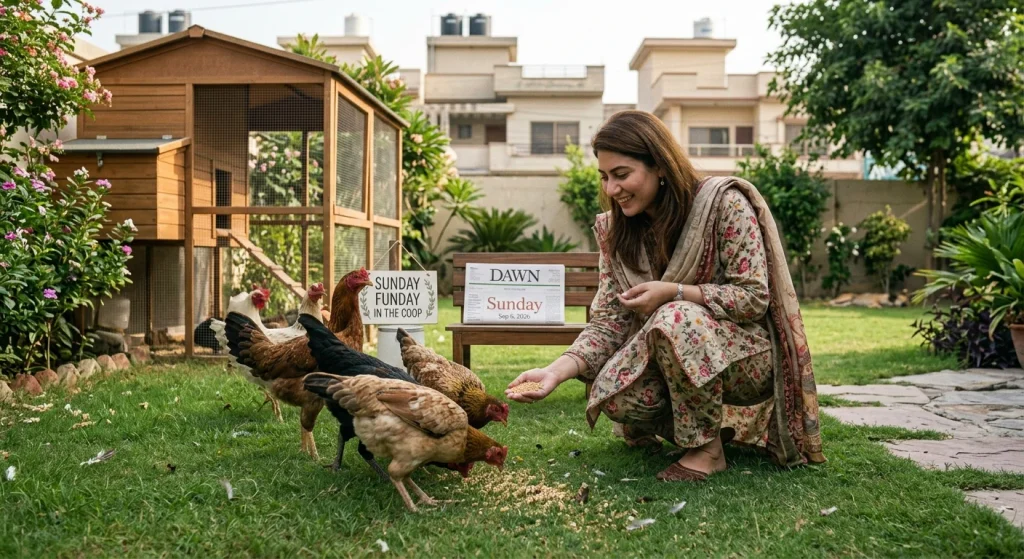
A simpler life does not necessarily mean owning very little. It means understanding what is important to you and giving less attention to things that do not add real value to your life.
Conclusion: Start With One Small Habit
A happier, calmer, and more peaceful life does not require you to change everything at once. It begins with small decisions that you repeat in your everyday life.
You might begin by meditating for five minutes, taking a daily walk, pausing before reacting in anger, or putting your phone away during meals.
Choose one habit that feels useful and realistic. Practise it regularly before adding too many new commitments to your routine.
Remember that you will not feel peaceful every day. There will still be difficult situations, uncomfortable emotions, and unexpected problems. Developing good habits does not remove these experiences, but it can help you respond to them more thoughtfully.
The purpose is not to create a perfect life. It is to live your ordinary life with greater awareness, kindness, balance, and appreciation.
Choose one small habit today. Practice it patiently, and allow meaningful change to develop over time.
Related Articles
- Information Overload: Why You Feel Exhausted Without Doing Anything
- The Myth of Multitasking: Why Doing Less at Once Gets More Done
- Mindful Work: Uncoupling Worth from Productivity: Escaping the Performance Trap
- The Quiet Power of Minimalism: Living More with Less








Pingback: Financial Contentment: Moving Beyond the Impulse to Continually Upgrade – the calm living